1. Take it one step at a time
Begin by attentively observing what you consume. Decrease the consumption of sugary and fatty foodstuffs in favor of more fruits and vegetables; subsequently, incorporate physical activity into your daily regimen – if you enjoy this form of exercise, try undertaking it for only a quarter-hour (for instance) at first. Bear in mind that every minute spent exercising is an opportunity to shed calories while remaining unencumbered! Furthermore, what may initially appear arduous could become less laborious as time progresses – so don’t be afraid to pursue an activity that captivates or excites you!
2. Find a buddy
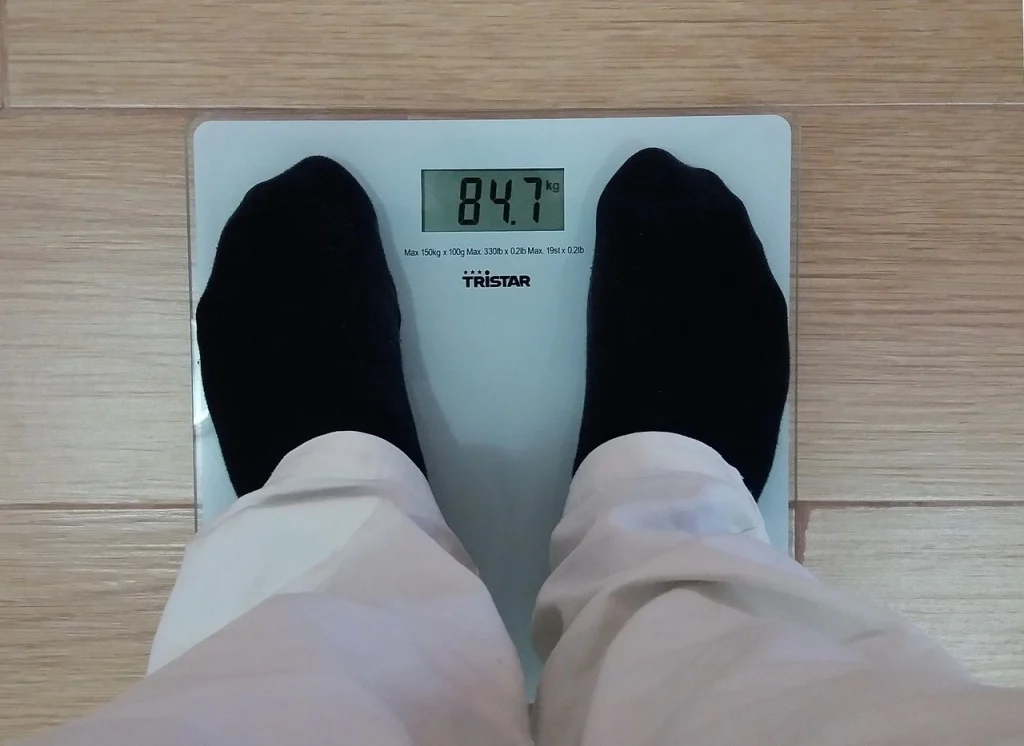
To achieve optimal results, it is essential to have the aid of a trusted companion. Take advantage of this opportunity to compare notes and weigh-in along with one another; perhaps even devise a contest between you two!
The bullet points suggest that to lose weight effectively, you should start by reducing the amount of sugary and fatty foodstuffs you consume, and then incorporating physical activity into your daily routine if you enjoy this form of exercise. You should also find a buddy to help support each other in the process.
3. Use weights
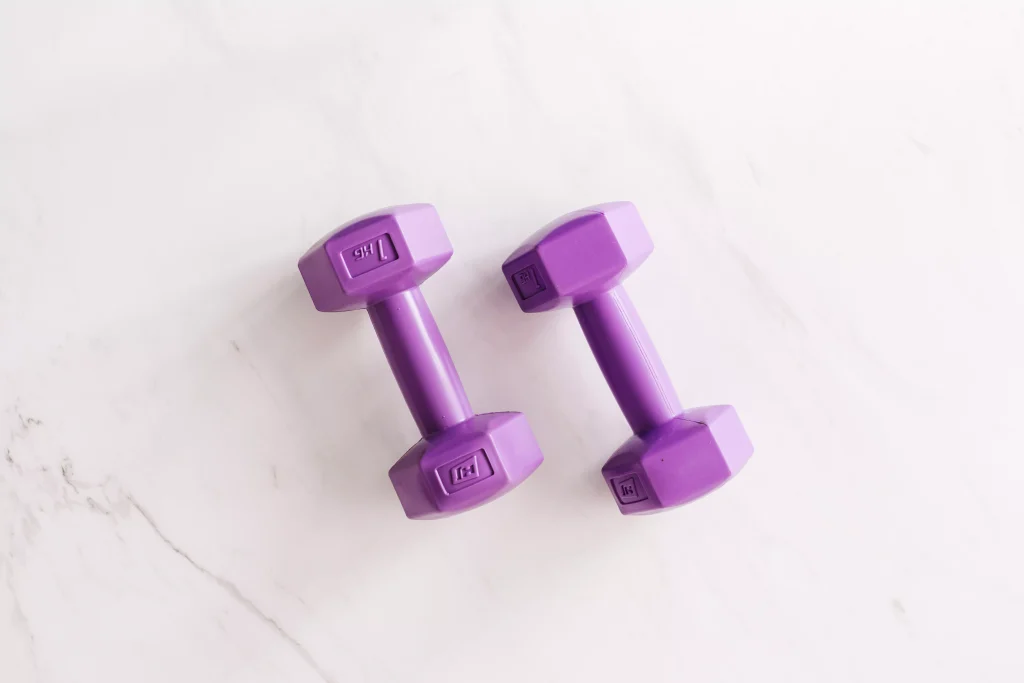
By expending effort and applying one’s might in the gym, one may build muscle tissue which can subsequently lead to increased metabolic rate as well as decrease body fat levels. This leads to a more streamlined physique but likely makes you weigh more than you otherwise would have done.
4. Eat fewer carbohydrates
If you’re looking to make a positive change to your diet, cutting back on pasta and bread is a great place to start. Eating too much of these starchy foods can have an adverse effect on your health, so reducing your intake is a wise choice. It will require some willpower to do this, but the rewards can be enormous.
When you eat less of these foods, you’ll find that you have more energy and feel less bloated. Your digestion will be improved, and you may even lose weight. You’ll also benefit from a reduced risk of diabetes and other chronic illnesses. The key is to make sure that you’re still eating a balanced diet and getting all the essential nutrients you need. Eating too little of these foods can also be detrimental, so it’s important to find a healthy balance. If you cut back on pasta and bread, you’ll be surprised at how much difference it can make.
5. Specify a target
Set a deadline for abandoning the weight and jot it down. For example, from December 14/04 I will be weighing in between 150 lbs -0- and 160 lbs or less. Make sure you dedicate ample time to witness this goal!
6. Give up soda
Should you opt for a sugary drink or two per day, you are unwittingly adding empty calories. If your resolve to abstain is lacking, consider reducing consumption initially and instead quaff water!
7. Grill or boil
Be wary of fried meats, consider grilling and liberally sprinkle spices on your food. You likely will become accustomed to it and may even derive more pleasure from its taste.
8. Don’t buy junk food
Whenever you venture to the market, don’t let an empty stomach draw you in and allow yourself to succumb to shoddy edibles. Keep your residence-quality provisions sanitized – that way, there won’t be any hesitation when it comes time for a treat!
9. Eat breakfast
Consume the majority of your calories earlier in the day and always eat breakfast. Don’t eat after 8pm and not only will you avoid those additional calories however, you will sleep better.
10. Give yourself a cure
When you tell yourself you simply can’t have something that you want it longer. Give your self a treat once per day (ie. Half a cookie cutter ) and also you won’t believe you are missing out.
1 1. Use smaller plates
Are you trying to lose weight? Have you tried cutting back on portion sizes to help yourself eat less, but still feel like you’re eating enough? If so, then tricking yourself into thinking that you’re eating more using a smaller plate could be the trick for you. Eating from a smaller plate can actually help to create an illusion of eating more. Studies have found that when people eat from a smaller plate, they tend to serve themselves less food and eat less than when they use larger plates.
This is because when people serve themselves food on a smaller plate, the food takes up more of the plate’s surface area and looks like a bigger portion than it would on a larger plate. This can help to make it easier to stick to portion control and reduce the risk of overeating. Additionally, if you feel like you are eating enough, then you are less likely to snack or indulge in unhealthy foods later in the day. So, the next time you want to cut back on portion sizes, try using a smaller plate- it may help to trick your brain into thinking that you are eating more.
12. Drink lots of water
Are you trying to curb your hunger while on a diet? Drinking water when you feel hungry is a great way to achieve that full feeling without consuming additional calories. Water not only has zero calories, but it also helps to naturally suppress your appetite. By drinking water when you feel hungry, you can stave off hunger and avoid unhealthy snacking.
Drinking water can also help to fill your stomach and make you feel more satisfied with smaller meals. Not only can this help to reduce your calorie intake, but it can also help to boost your metabolism and aid in weight loss. Additionally, drinking plenty of water throughout the day can help to keep you hydrated and improve your overall wellness. So next time you feel hungry, reach for a glass of water and get that full feeling without the extra calorie.
13. Don’t eat everything on your plate
We often eat for reasons other than hunger. It’s easy to forget to check in with ourselves and ask if we’re actually hungry; instead, we eat because food is available and convenient. However, it’s important to pay attention to your body’s needs and stop when you’ve had enough. Doing so can help you become aware of your body’s natural cues, which can help you make healthier choices when it comes to food.
Recognizing when you’re actually hungry can also help you become more mindful of the foods you choose, enabling you to make healthier decisions. Eating when you’re truly hungry can also reduce the risk of overeating and help you maintain a healthy weight. When it comes to food, it’s important to remember that it should be used as a source of nourishment, not just as a way to fill up your stomach. So, the next time you reach for food, take a moment to check in with yourself and ask if your body is truly asking for something to eat.
14. Eat five meals per Day
Eating more often is key to preventing yourself from becoming too hungry. Instead of eating three large meals a day, try spreading out your meals into five or six smaller ones throughout the day. Eating smaller, more frequent meals helps keep your blood sugar levels stable and will help you avoid overeating.
Additionally, eating regularly will help you maintain a healthy weight and provide your body with all the essential nutrients it needs. For example, a nutritious breakfast can kickstart your metabolism and provide you with energy throughout the day. Eating healthy snacks between meals can also help sustain your energy levels and keep you feeling full. So, if you want to avoid getting too hungry, make sure to eat more often!
15. Plan your work out sessions
Are you looking to make the most of your workout sessions? Writing them into your planner or journal is an excellent way to stay organized, motivated, and on track. This can help you create an effective workout plan that fits into your schedule while helping you stay consistent in your fitness journey. Plus, it can give you a sense of accomplishment as you look back and see how far you have come. To get started, first decide which type of planner or journal works best for you.
You can use a paper planner with a physical calendar, a digital calendar, or a notebook to write down your workouts. Then, make sure to schedule time for your workouts on specific days and times throughout the week. Include the type of workout you’ll be doing, the duration, and any other details that will help guide you through the session. Finally, review your progress regularly by reflecting on how the workout went, tracking any changes in your mood or energy levels, and noting any other observations that could help inform future sessions. Writing your workout sessions into your planner or journal is an effective strategy for staying organized and motivated in your fitness journey.
16. Stay away from fat diets
When it comes to your diet, it’s important to keep certain things in mind. Staying away from a high fat diet is one of the most important pieces of advice. Eating too much fat can cause a wide range of health issues, from increased risk of heart disease to obesity. A high fat diet is also a major contributor to high cholesterol levels and can lead to an increased risk of diabetes. Additionally, consuming too much fat can cause an increase in triglycerides, which can significantly increase your risk for stroke or heart attack.
The best way to stay healthy is to limit your fat intake and maintain an overall balanced diet. Make sure to limit your saturated fat intake, and instead opt for healthy fats like those found in avocados, nuts and seeds. Additionally, try to incorporate more lean proteins into your diet like fish and lentils, as well as plenty of fruits and vegetables. By avoiding a high fat diet and choosing healthier alternatives, you can ensure that you’re doing the best thing possible for your health.
17. Do a few work out per Day
Doing crunches and leg lifts while watching television might sound like an impossible task, but it can be done! It provides an excellent way to get a workout in while still enjoying your favorite show. When you’re ready to start, pick a comfortable spot on the floor and make sure you have enough space to move around. Start with a few basic crunches and focus on keeping your core engaged while you lift off the ground.
When you feel comfortable with the movements, gradually add more reps and make sure you are completing the exercise with proper form. After you finish the crunches, switch over to leg lifts. Lie flat on your back and extend your legs up in the air. Keep your abs tight and lift your legs up as far as you can without compromising form. Start slowly and increase the intensity over time. Incorporating these exercises into your television-viewing routine will help you stay fit without having to sacrifice any of your favorite shows!
18. Measure your food
It is understandable to have the occasional craving for a snack, and while junk food can fulfill that craving, it is important to be mindful of what you are consuming. If you opt to have a snack that is considered junk food, be sure to measure and control the amount you eat. Doing so will ensure that you don’t overload yourself with unhealthy fats and sugars, which can lead to unwanted weight gain or other health issues. Eating in moderation is key when it comes to junk food snacks.
It’s a good idea to limit your intake of fried and sugary foods, as these are usually the most unhealthy options. Try to choose snacks that are lower in calories, such as nuts, fruits, or yogurt. If you do decide to indulge in something more indulgent, be sure to have a healthy snack shortly afterward. This can help balance out the effects of the junk food snack and provide your body with essential nutrients. Overall, having an occasional snack of junk food is perfectly fine as long as it is done in moderation and with control.
19. Keep pre-cut Veggies
Craving something sweet? We’ve all been there! It can be hard to resist when your sweet tooth is calling. But don’t worry, we’ve got you covered with a few helpful tips on how to ward off those cravings. First, stay hydrated with lots of water and/or herbal tea. This helps to fill your stomach and can also help reduce sugar cravings. Secondly, try to eat a balanced diet with plenty of protein and fiber-rich foods, as this can help keep your blood sugar levels balanced.
Additionally, getting regular exercise is a great way to help fight off those cravings and release endorphins, which can help improve your mood. Finally, keep healthy snacks like fresh fruit or nuts around to satisfy your sweet tooth without compromising your diet. With these tips in mind, you’ll be well-equipped to ward off those pesky cravings!
20. Create Superior Habits
It is a known fact that when people perform an activity 26 times, it becomes a habit. However, many don’t realize the amount of effort and dedication it takes to create a habit out of something. In order to make something a habit, it is important to be consistent and persistent. This means that if you are trying to form a habit, you must do it every day even if you don’t feel like it.
To help break down the process of forming a habit, it is recommended to break it into smaller, achievable goals. For example, if your goal is to exercise every day for 30 minutes, start by committing to just 5 minutes for the first few days and gradually increase the duration over time. Additionally, it may be beneficial to reward yourself for following through on your goals as motivation. By following these tips, you can turn anything into a habit and experience the many benefits that come with that.
Conclusion
I hope these twenty steps will fat cutter and build a healthy lifestyle. I am very happy to support and motivate me to write a new article. Thanks to read, Much Love. Stay healthy, Stay Safe.